People of Robotics
The mathematicians and engineers whose ideas this course is built on, from Bayes and Gauss to the people still shaping robots today. Tap any name to read their story.
-
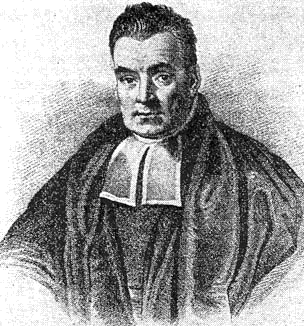 Thomas Bayes 1701-1761 An English Presbyterian minister who never published his masterpiece yet gave us the rule for updating beliefs in the face of new evidence, the mathematical heartbeat of nearly every robot that estimates where it is.
 -
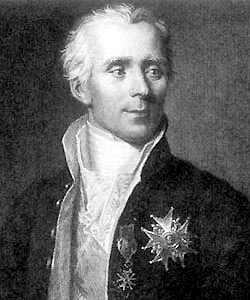 Pierre-Simon Laplace 1749-1827 The French mathematician who turned the chaos of the heavens into clean equations, and along the way invented half the toolkit a modern robot uses to reason, transform signals, and guess where it is.
 -
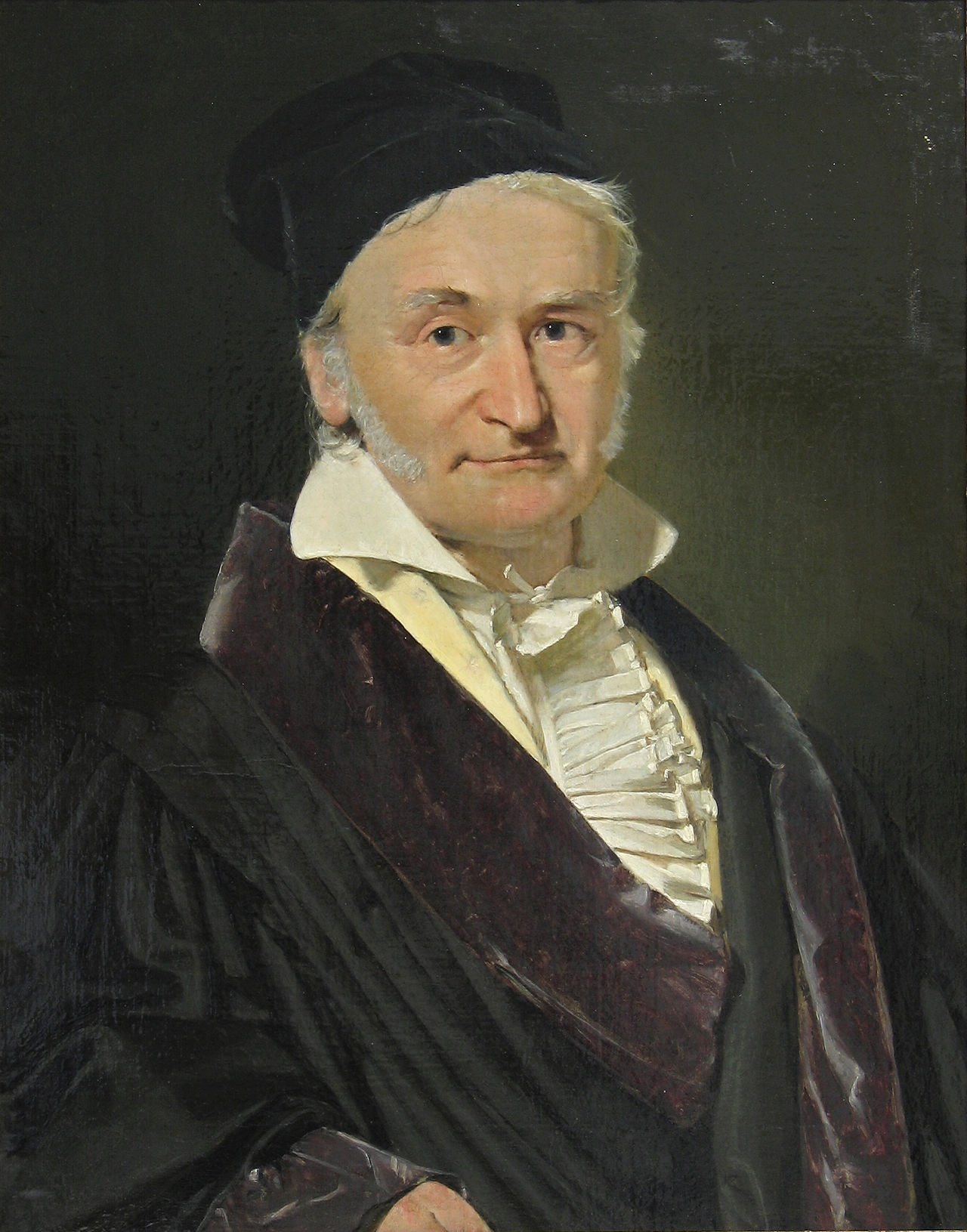 Carl Friedrich Gauss 1777-1855 The German prodigy who turned a few scraps of stargazing into the method of least squares, the bell curve, and the recursive estimation math that lets a robot guess where it is from noisy, incomplete sensor data.
 -
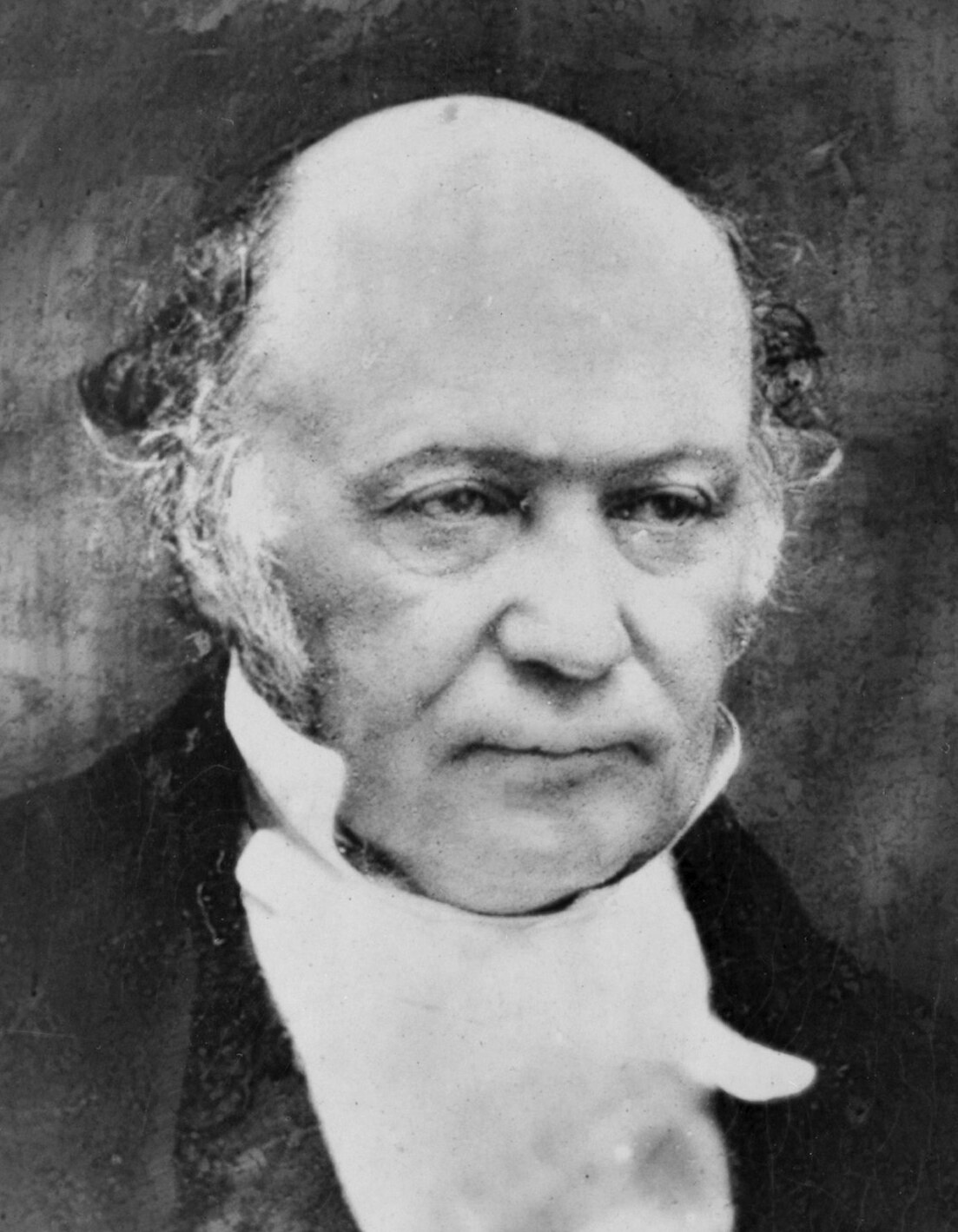 William Rowan Hamilton 1805-1865 The Irish prodigy who reinvented the math of motion and, on a canal walk, carved into a bridge the four-number system (quaternions) that today keeps drones, spacecraft, and robot arms from tumbling out of control.
 -
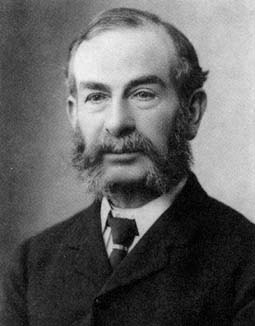 Edward Routh 1831-1907 The legendary Cambridge math coach who, almost as a side project, wrote down the algebraic test engineers still reach for to ask one make-or-break question: will this system stay stable, or shake itself apart?
 -
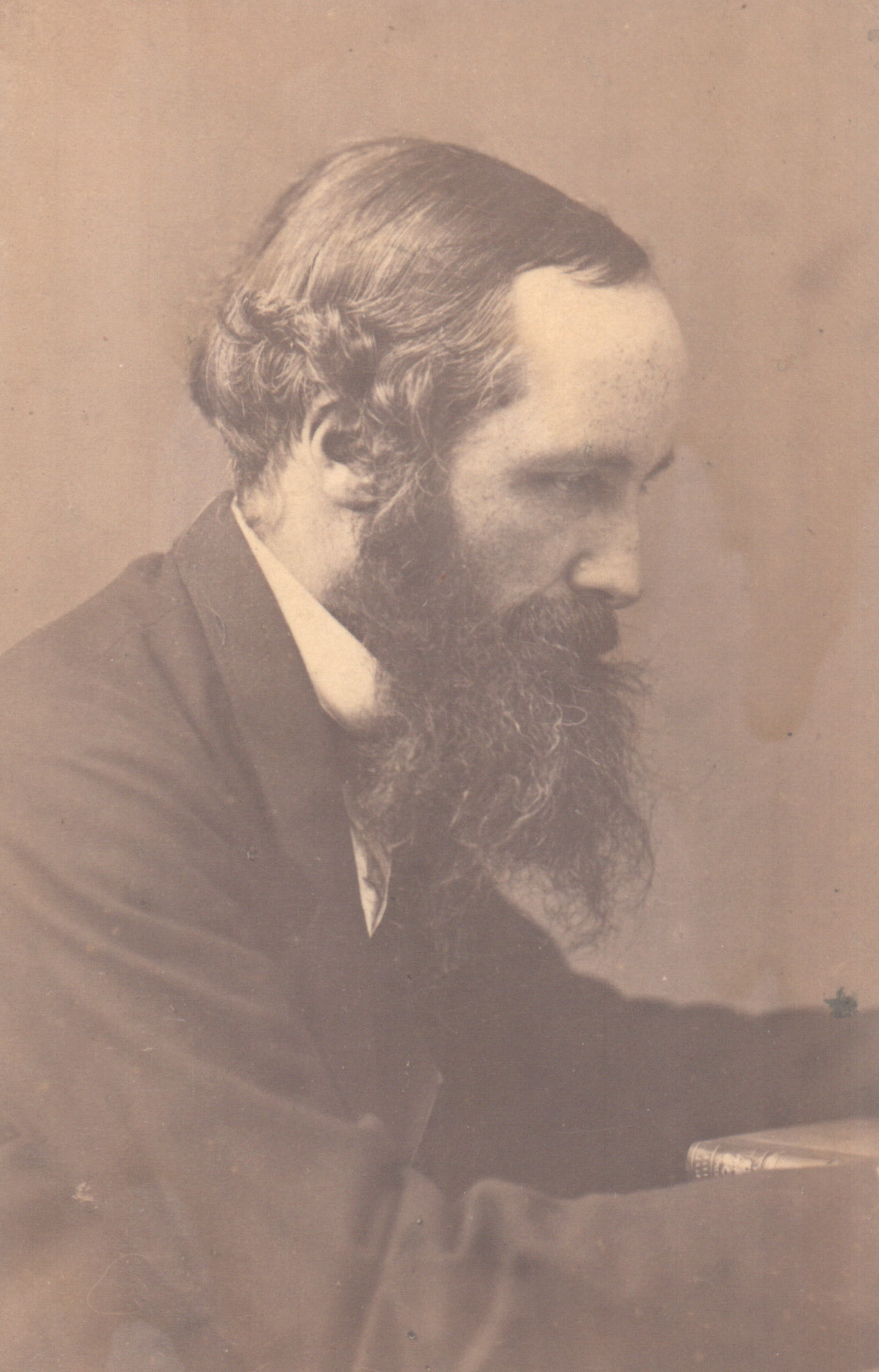 James Clerk Maxwell 1831-1879 The Scottish physicist who proved light is an electromagnetic wave, and who, almost as a side project, wrote the first real mathematics of feedback control: the equations that still govern how a robot keeps itself stable.
 -
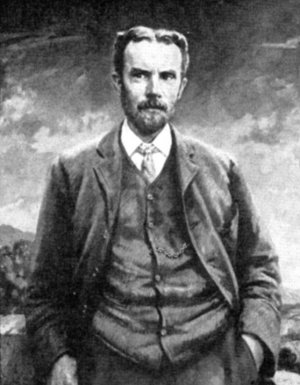 Oliver Heaviside 1850-1925 A self-taught Victorian telegraph operator who taught himself advanced math from scratch and rewrote Maxwell's electromagnetism into the four compact equations every engineer still uses, while inventing the operator-based shortcut for solving differential equations.
 -
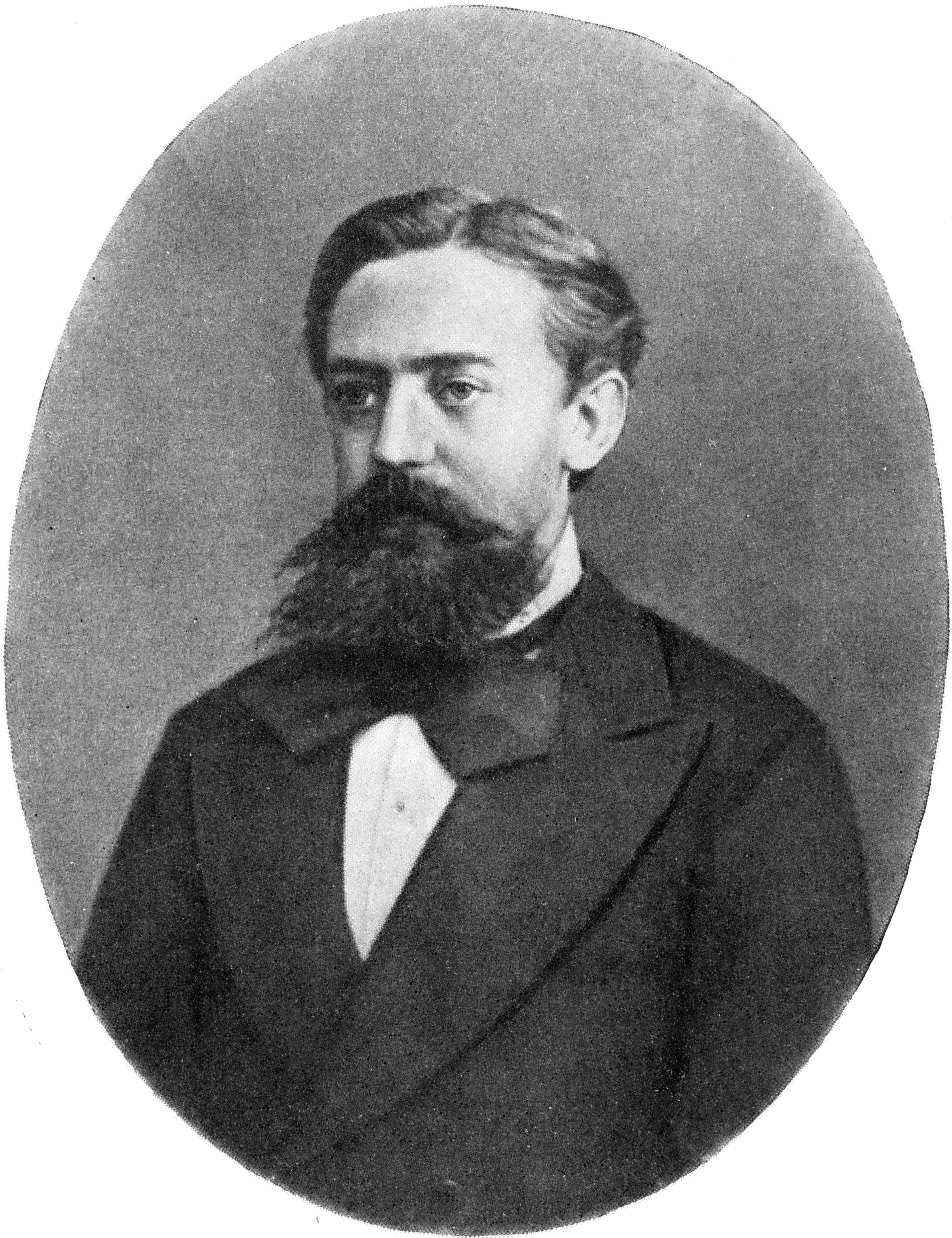 Andrey Markov 1856-1922 The Russian mathematician who proved that the future can depend only on the present, inventing the Markov chain that today underlies nearly every robot's ability to estimate where it is and what it will do next.
 -
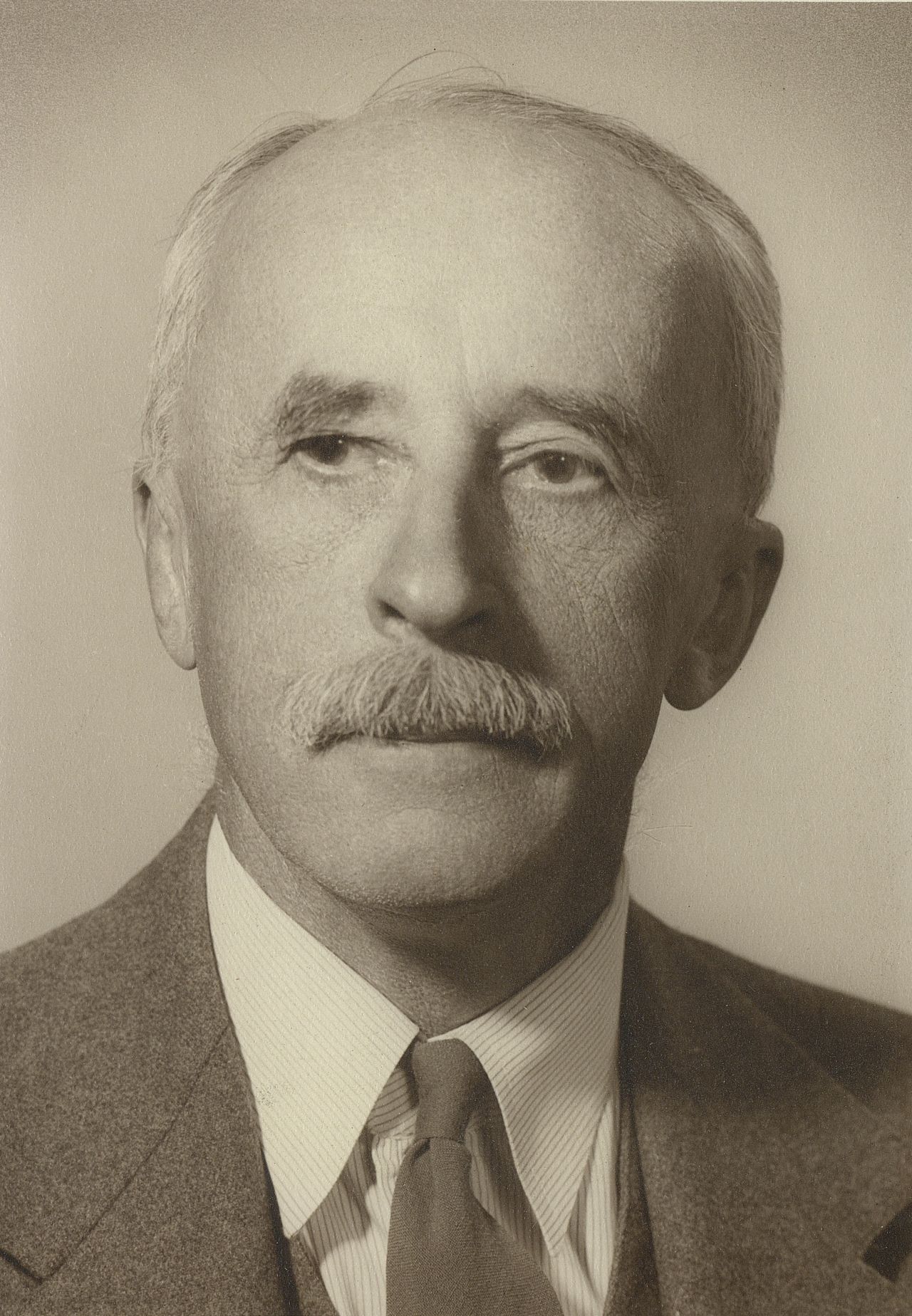 Nicolas Minorsky 1885-1970 The Russian-American naval engineer who, while teaching a battleship to steer itself, wrote down the math that became the PID controller, the three-term feedback loop that still runs almost everything that holds a course.
 -
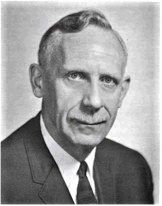 Hendrik W. Bode 1905-1982 The Bell Labs engineer whose frequency-response plots gave the world a fast, intuitive way to ask the question every control system lives or dies by: will this feedback loop stay stable?
 -
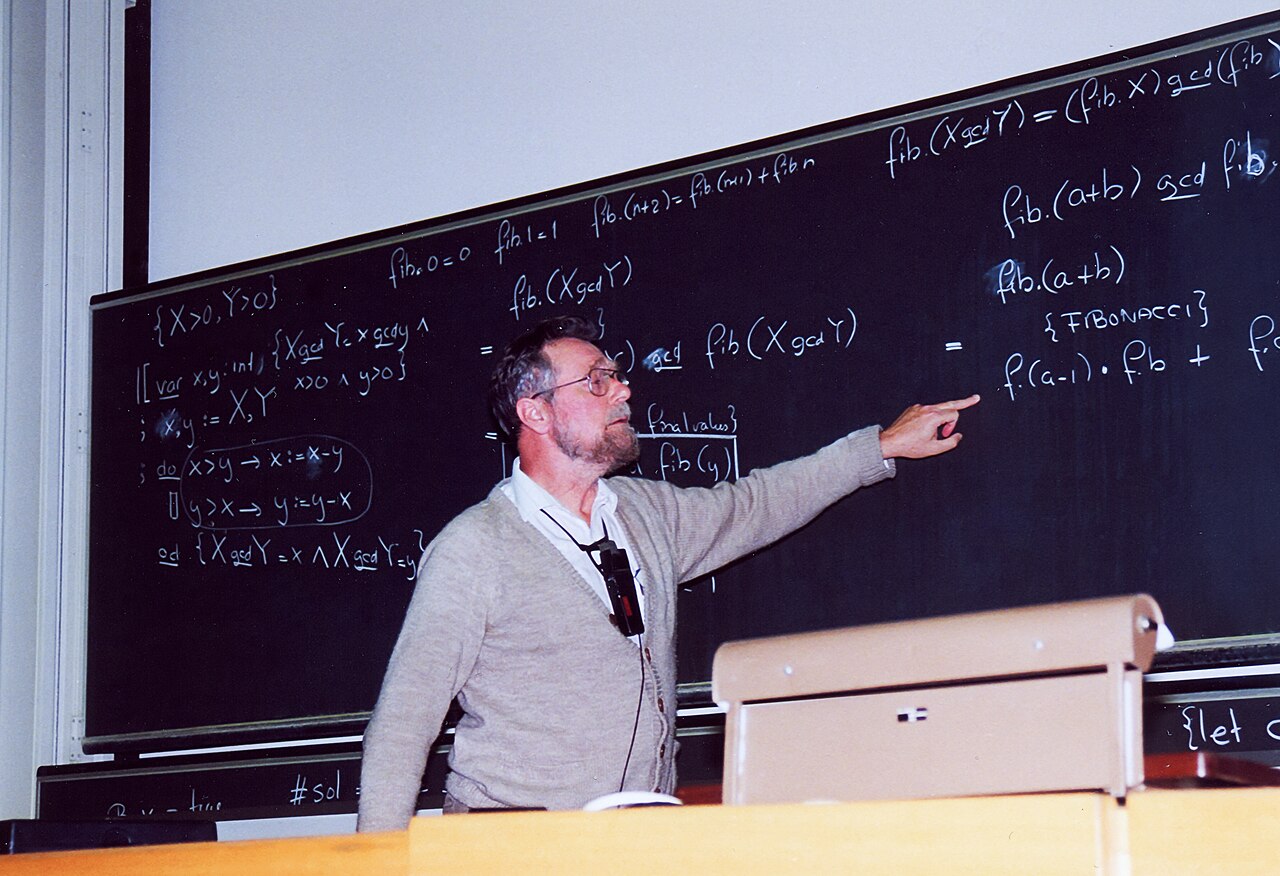 Edsger W. Dijkstra 1930-2002 The Dutch computer scientist who, in 1956, dreamed up the shortest-path algorithm that still guides robots, GPS, and network routers through the cheapest route from here to there.
 -
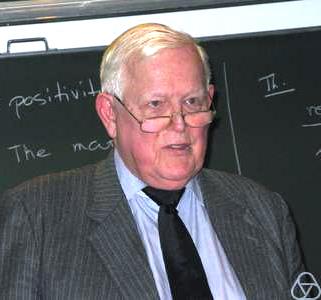 Rudolf E. Kálmán 1930-2016 The Hungarian-American engineer whose Kalman filter taught machines to find a clear signal inside a flood of noisy measurements, the algorithm that guided Apollo to the Moon and still runs quietly inside almost every robot, drone, and GPS receiver.
 -
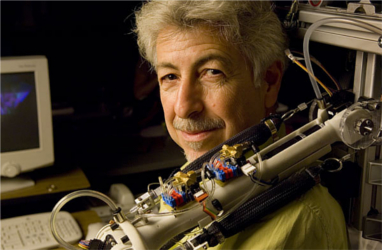 Oussama Khatib 1951- The Stanford roboticist who taught machines to think in the space of the task, not the tangle of their own joints, turning robot control into a problem of physics and forces rather than guesswork.
 -
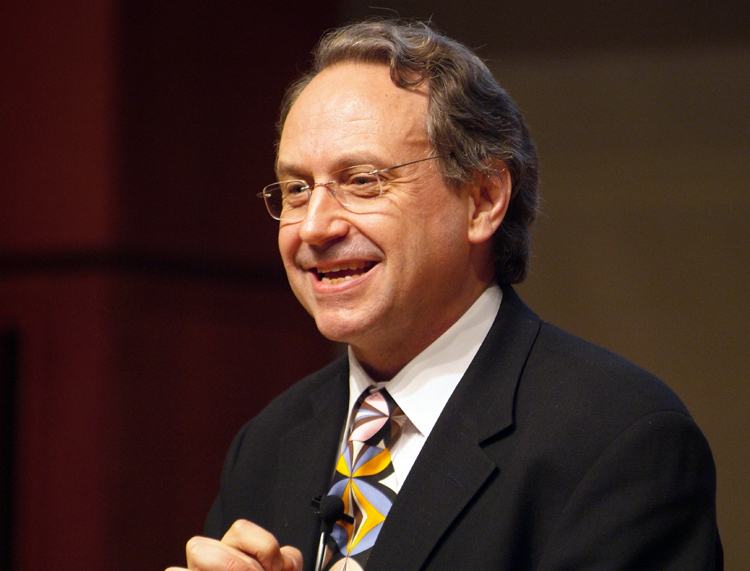 Rodney Brooks 1954- The Australian roboticist who argued that a robot does not need to think before it acts, and proved it by building machines whose intelligence emerged from cheap, layered reflexes wired straight to the world.
 -
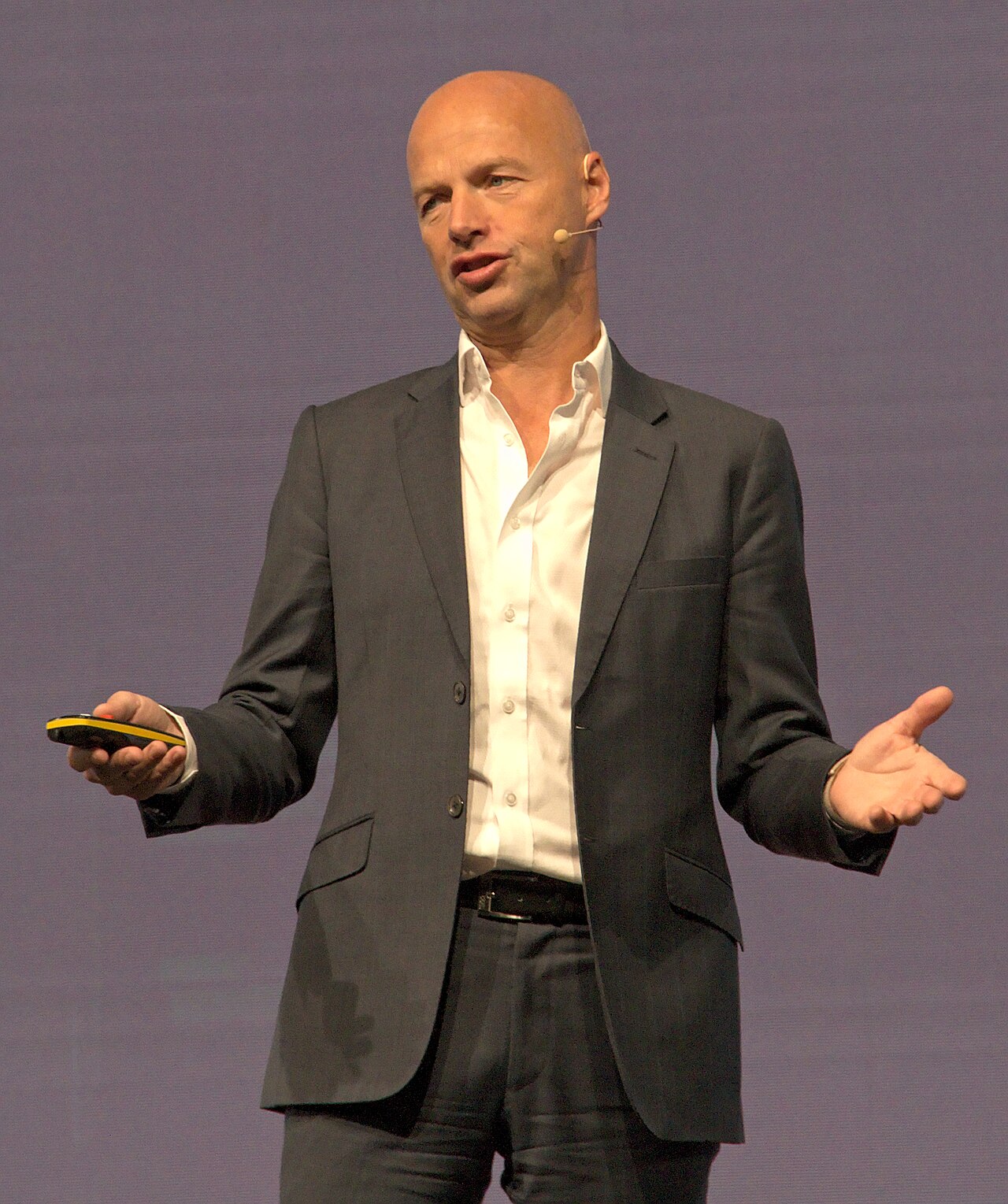 Sebastian Thrun 1967- The roboticist who taught machines to embrace their own uncertainty, then sent a driverless car named Stanley racing across the desert to win the DARPA Grand Challenge.